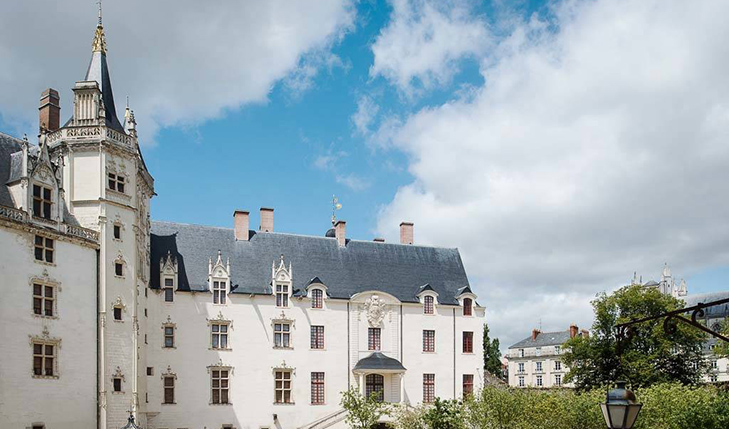
I can confidently say that the Château des Ducs de Bretagne stands as one of Nantes’ most captivating landmarks. Walking through its stone walls, strolling the ramparts, and wandering the museums inside offers a rich, immersive journey into the city’s vibrant past — from medieval power plays to Renaissance artistry and modern heritage preservation.
During my recent trip to Nantes, I devoted an entire day to fully experience the château, and I discovered not just the fortress itself but a trove of engaging activities that brought the history to life in unexpected ways.
I’ll share three personal experiences within the Château des Ducs de Bretagne, plus four recommended activities around the site, complete with practical tips, candid impressions, and everything you need to plan your visit with confidence.
Discovering the Château des Ducs de Bretagne: Location and Getting There
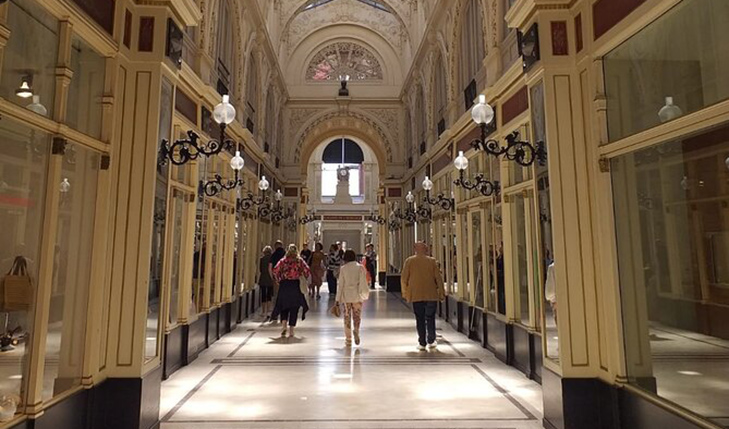
Nestled right in the heart of Nantes’ historic center, the château’s address is 4 Place Marc Elder, 44000 Nantes, France. It’s a stone’s throw from the famous Place Graslin and the vibrant Passage Pommeraye shopping arcade, making it an easy and essential stop on any city tour.
Getting to the château is straightforward:
- By Tram: The Nantes tram system is efficient and well-connected. Take Tram Line 1 or 2 to the “Duchesse Anne” or “Château” stops, both just a few minutes’ walk from the castle entrance.
- By Train: From Nantes train station (Gare de Nantes), it’s a pleasant 15-minute walk or a quick tram ride on Line 1.
- By Car: Parking in central Nantes can be tricky, but there are public parking garages nearby, such as Parking Graslin or Parking Commerce.
I arrived by tram, enjoying a short ride through the city’s bustling streets before stepping onto the cobblestones that lead to the château’s grand gates.
Personal Experience #1: Exploring the Ramparts and Defensive Walls
One of the first activities I embarked on was climbing the château’s ancient ramparts. These walkways provide panoramic views over Nantes’ rooftops and the Loire River beyond. I was struck by how the thick stone walls and strategically placed towers told the story of medieval defense, giving me a tangible connection to the era’s tensions and battles.
As I paced along the parapets, I imagined the knights and sentries who once stood guard here, scanning the horizon for invaders. It’s a perfect spot for photography enthusiasts—the play of light and shadow on the fortress walls makes for stunning shots, especially on a sunny day.
Pros:
- Spectacular views of the city and Loire River.
- Educational plaques explaining the defensive features.
- Great for history buffs and photographers.
Cons:
- Uneven surfaces and steep stairs—less accessible for those with mobility issues.
- Can get crowded during peak tourist season.
Tip: Visit early in the morning to enjoy a quieter experience and better light for photos.
Personal Experience #2: The Nantes History Museum Inside the Château
The château houses the excellent Musée d’Histoire de Nantes, a modern museum that charts the city’s evolution from its founding through the medieval period, Renaissance, industrial era, and into contemporary times. The exhibits are thoughtfully curated, blending artifacts, multimedia displays, and immersive installations.
I was particularly drawn to three standout exhibits:
- The Medieval Armoury: Displaying suits of armor, weapons, and military regalia that reflect the château’s martial past. The detail and preservation were impressive.
- The Slave Trade Exhibit: Nantes’ role as a major port during the transatlantic slave trade is explored here with candor and sensitivity, a sobering but vital part of the city’s history.
- The Industrial Revolution Room: Illustrates Nantes’ transformation with machinery models, photographs, and narratives from the 19th and early 20th centuries.
Recommended Exhibits:
- The “Nantes & The World” section highlights the city’s global maritime links.
- Temporary art and history exhibitions that rotate regularly.
- The Renaissance interiors recreation within the castle’s living quarters.
Pros:
- Engaging, interactive displays suitable for all ages.
- Audio guides available in several languages.
- Well-maintained and informative.
Cons:
- Some sections might be heavy for younger children.
- Certain exhibits can feel dense if you’re short on time.
Booking Tip: Tickets for the museum are included with château admission (about €8.50 for adults). Book in advance via the official Nantes tourism website or at the entrance.
Personal Experience #3: Participating in a Medieval Workshop
One of the most memorable parts of my visit was joining a medieval crafts workshop offered inside the château. These hands-on sessions are perfect for families and history enthusiasts alike, giving visitors the chance to try their hand at traditional skills like calligraphy, leatherworking, or coin minting.
I chose a calligraphy class, learning the basics of Gothic script and even crafting a souvenir bookmark to take home. The instructor was knowledgeable and patient, making the experience both fun and educational.
Pros:
- Unique, interactive experience that brings history alive.
- Suitable for children and adults.
- Small group sizes ensure personalized attention.
Cons:
- Workshops are seasonal and require advance booking.
- Extra cost (€15–20) on top of admission fees.
Booking: Reserve your spot online through the château’s official site or local tourist offices. These workshops fill up quickly during holidays.
Recommended Activities Around Château des Ducs de Bretagne
While the château itself is a treasure trove, the surrounding area offers additional engaging activities to enrich your visit:
1. Walk Through the Old Town (Vieux Nantes)
Just steps from the château, the cobblestoned streets of Old Nantes are filled with half-timbered houses, boutique shops, and quaint cafés. I loved wandering here post-château visit, soaking up the medieval atmosphere.
Highlights:
- Place du Bouffay for lively terraces.
- Passage Pommeraye for upscale shopping.
- Église Sainte-Croix, a beautiful Gothic church.
2. Visit Les Machines de l’Île
Located on the nearby Île de Nantes, this surreal theme park features gigantic mechanical animals and interactive rides inspired by Jules Verne and Leonardo da Vinci’s inventions. Riding the Grand Elephant was a personal highlight—breathtaking and whimsical.
3. Enjoy a Loire River Cruise
From the château’s vicinity, you can board river cruises that offer relaxing trips along the Loire, with historical commentary and stunning views of Nantes and its bridges.
4. Sample Nantes’ Culinary Scene
After a day of exploring, I recommend dining at La Cigale, a classic Belle Époque brasserie just a 10-minute walk away, where the oysters and local Muscadet wine pair perfectly.
Practical Tips for Visiting Château des Ducs de Bretagne
- Opening Hours: Open daily from 10 am to 6 pm; closed on January 1 and December 25. Last admission is 45 minutes before closing.
- Admission Fees: Adults €8.50, reduced €6.50, free for under 18 and EU residents under 26.
- Guided Tours: Available in English and French; check schedules online or at the ticket desk.
- Accessibility: The château has some wheelchair access, but ramparts and certain areas are challenging for mobility-impaired visitors.
- Facilities: Onsite café and gift shop. Restrooms available.
- Booking: Tickets can be booked on nantes-tourisme.com, avoiding queues especially in summer.
Why the Château des Ducs de Bretagne is a Must-Visit
As I walked out through the château gates for the last time that day, I caught myself glancing back over my shoulder more than once. There’s something magnetic about this place — not just in its towering walls or elegant courtyards, but in the way it quietly holds centuries of human ambition, joy, tragedy, and transformation.
I’ve visited castles all over Europe, from windswept Scottish fortresses to sun-baked hilltop palaces in Spain, but the Château des Ducs de Bretagne is unique in how seamlessly it bridges the past and present. You’re not just looking at history here — you’re walking through it, touching it, even tasting it if you count the pastries and Muscadet wine you can enjoy nearby.

It’s also a deeply Nantes experience. The city’s personality — its mix of creativity, resilience, and openness — is etched into every stone. Standing on the ramparts, watching the trams glide past below, I realized how rare it is to find a medieval fortress that feels so embedded in daily life. It’s not an isolated relic on a hill — it’s part of the city’s living, breathing heart.
If you only have one day in Nantes, make it a château day. Start in the morning with the museum to get your bearings, linger over lunch in the courtyard café, and then climb the ramparts in the afternoon when the sun casts golden light on the city. Time your exit so you leave just before sunset — you’ll get that magical moment when the walls glow warm and the surrounding streets hum with evening energy.
One last piece of advice from someone who’s been here more times than I can count: don’t rush it. The Château des Ducs de Bretagne rewards slow exploration. Pause at the plaques, read the stories, let your imagination wander. And if you have the chance, come back at night during one of the special illumination events — seeing the castle lit against the dark sky is pure magic.
For me, this isn’t just a tick on a sightseeing list — it’s a place I’ll return to again and again, not just to learn about the history of Nantes, but to feel it. And that, in the end, is what makes it unforgettable.